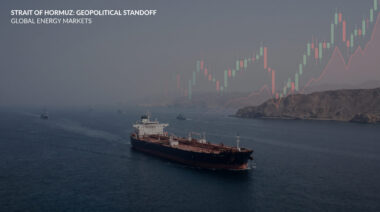
Today’s opening is therefore expected to be gap-down, led by risk aversion and likely foreign institutional selling. In global stress phases, emerging markets temporarily move down the preference list. Even fundamentally strong markets are treated as sources of liquidity.
The pressure, however, will not be uniform.
Oil marketing companies such as Indian Oil Corporation, Bharat Petroleum Corporation Limited and Hindustan Petroleum Corporation Limited could face margin concerns if crude rises sharply without retail price adjustments. Aviation stocks like InterGlobe Aviation and SpiceJet may also feel the heat, given that aviation turbine fuel forms a significant portion of their operating costs. Paint manufacturers including Asian Paints and Berger Paints India, along with lubricant makers such as Castrol India, could see margin pressure if crude-linked inputs stay elevated.
At the same time, upstream oil explorers like Oil India Limited and Vedanta Limited may attract interest, as higher crude prices can improve realizations and earnings. However, that benefit only materializes if prices remain elevated for a sustained period rather than spiking briefly.
The larger issue for investors is not whether markets open lower that seems probable but whether the fall becomes an opportunity.
History suggests that India tends to absorb oil shocks better today than in earlier cycles. The economy’s oil intensity has reduced, domestic investor participation has deepened, and corporate balance sheets are healthier. Past episodes of crude spikes have led to sharp initial drawdowns, followed by measured recoveries once clarity emerged.
Yet this episode carries a geopolitical dimension that is difficult to judge. If tensions escalate further, crude could move higher and remain volatile. In such a case, markets may not deliver a quick rebound. Sentiment-driven declines often overshoot, and attempting to catch them too early can be costly.
For now, investors would do well to focus less on the opening tick and more on durability of the shock. Is crude sustaining higher levels? Are shipping routes disrupted? Are global markets stabilizing? These are the questions that will shape the trajectory beyond Monday.
The most balanced approach in such an environment is restraint. Panic selling into weakness rarely creates long-term value, but aggressive buying in the face of unresolved uncertainty carries its own risks. The first trading session of March is likely to reflect fear; whether that fear deepens or fades will depend on developments far beyond Dalal Street.
Monday will set the tone. The week will determine the trend.