Chinese equities closed higher as optimism surrounding the Trump-Xi meeting in Beijing supported investor sentiment. Market participants remained hopeful for progress on trade and technology-related discussions, particularly around artificial intelligence and semiconductor supply chains. Gains in industrial and tech shares helped offset lingering concerns over rising energy costs and inflationary pressures.
Hong Kong shares ended modestly higher in cautious trading. Investors continued monitoring developments in the Middle East alongside potential policy signals emerging from the US-China summit discussions. Technology counters and selected semiconductor-related stocks provided support to the index, while broader sentiment remained restrained due to geopolitical uncertainty.
Japanese markets advanced as exporters and chip-related companies attracted fresh buying interest. Positive economic data showing a stronger current account surplus, combined with continued weakness in the yen, boosted confidence in export-driven sectors. Semiconductor stocks also gained momentum following expectations of stronger AI-linked demand across global markets.
South Korean equities once again led regional gains, driven primarily by strong buying in semiconductor giants such as Samsung Electronics and SK Hynix. Investor confidence remained elevated amid expectations of sustained growth in AI infrastructure spending and improved chip export prospects to China.
Indian equities managed to recover slightly after recent weakness, though market sentiment remained cautious. Persistent concerns around elevated crude oil prices, foreign investor outflows, and pressure on the Rupee continued to limit upside momentum. Select gains in financial and energy stocks helped the benchmark index remain in positive territory.
Financial markets closely tracked the high-profile meeting between US President Donald Trump and Chinese President Xi Jinping in Beijing. Investors focused on possible developments surrounding trade relations, artificial intelligence cooperation, semiconductor policies, and broader geopolitical discussions involving Iran.
Any improvement in relations between the world’s two largest economies could help stabilise global trade flows and improve sentiment across export-oriented sectors, including India’s technology and manufacturing industries.
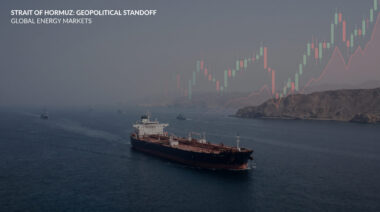
Oil prices remained above the $100-per-barrel mark despite a mild pullback during the session. Traders continued reacting to uncertainty surrounding the fragile Iran ceasefire and ongoing concerns over shipping disruptions through the Strait of Hormuz.
For India, sustained high crude prices remain a major challenge. Higher energy costs increase inflationary pressure, widen the current account deficit, weaken the Rupee, and reduce the possibility of near-term monetary easing by the Reserve Bank of India.
South Korea’s market rally extended further as investors remained bullish on semiconductor demand linked to artificial intelligence expansion. Expectations of stronger chip exports and improving global tech demand continued supporting major hardware manufacturers.
This trend is significant for India, as stronger semiconductor investment across Asia supports the broader electronics ecosystem and strengthens long-term opportunities for Indian IT services and manufacturing partnerships.
Global investors remained cautious after stronger-than-expected US inflation data reinforced expectations that interest rates could remain elevated for longer. Rising oil and commodity prices linked to geopolitical tensions have added to concerns surrounding global inflation.
For India, prolonged high global interest rates and rising US bond yields could lead to continued foreign capital outflows from emerging markets, putting additional pressure on domestic equities and the currency.
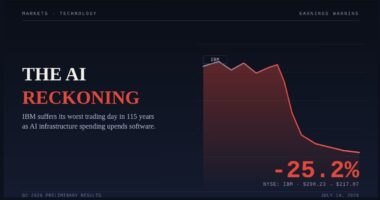
Although technology-heavy markets such as Japan and South Korea continued outperforming, broader Asian markets showed mixed momentum as investors assessed whether the recent AI-driven rally had become overheated. Volatility in technology stocks remained elevated across the region.
Indian technology companies may also experience near-term fluctuations as investors rebalance portfolios between high-growth technology sectors and more defensive areas amid ongoing macroeconomic uncertainty.
Related Tags


 IIFL Customer Care Number
(Gold/NCD/NBFC/Insurance/NPS)
1860-267-3000 / 7039-050-000
 IIFL Capital Services Support WhatsApp Number
+91 9892691696
Download The App Now


Follow us on


2026, IIFL Capital Services Ltd. All Rights Reserved

IIFL Capital Services Limited - Stock Broker SEBI Regn. No: INZ000164132 (Member ID - NSE: 10975 BSE: 179 MCX: 55995 NCDEX: 01249), DP SEBI Reg. No. IN-DP-185-2016, IA SEBI Regn. No: INA000000623, Merchant Banker SEBI Regn. No. INM000010940, RA SEBI Regn. No: INH000000248, BSE Enlistment Number (RA): 5016, AMFI-Registered Mutual Fund Distributor & SIF Distributor
ARN NO : 47791 (Date of initial registration – 17/02/2007; Current validity of ARN – 08/02/2027), PFRDA Reg. No. PoP 20092018, IRDAI Corporate Agent (Composite) : CA1099

This Certificate Demonstrates That IIFL As An Organization Has Defined And Put In Place Best-Practice Information Security Processes.