12 May 2026 , 05:00 PM
Speaking at the CII Annual Business Summit 2026, billionaire banker – Mr. Uday Kotak, expressed his views on the looming risk in the global economy. In his talk, the banker opined the delayed but potentially significant impact of geopolitical tensions on oil prices and inflation in India. His comments focus on rising uncertainty in West Asia, particularly linked to US–Iran tensions, and how these developments could reshape India’s economic outlook in the coming months.
At the core of his message is a simple warning. India may not have felt the full impact of the global oil shock yet.
Mr. Kotak argued that while global crude oil prices have already seen volatility, the real transmission of higher prices into the Indian economy is still unfolding. This lag exists because oil marketing companies and refiners have so far absorbed part of the cost increases instead of passing them fully to consumers.
However, he cautions that this buffer is temporary.
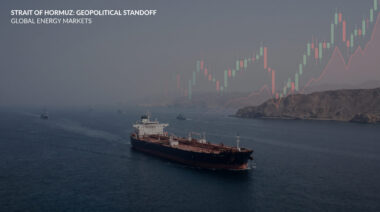
If geopolitical risks intensify, particularly around key energy routes like the Strait of Hormuz, global supply disruptions could push crude prices significantly higher. According to Mr. Kotak, a sustained rise in crude oil prices would eventually flow through the entire economy:
Because India imports more than 85 percent of its crude oil, the economy is structurally exposed to global price shocks. This makes domestic inflation highly sensitive to international events.
The ace banker also warned that if crude oil approaches around $100 per barrel, India could face multiple macroeconomic pressures at the same time including higher inflation which shall reduce household purchasing power, a weaker rupee due to increased import demand for dollars, and a widening current account deficit as oil import bills rise.
These combined effects could make economic management more difficult for policymakers, especially if global conditions remain unstable.
One of the most striking parts of Kotak’s message is his call for caution. He urges both businesses and households to adopt what he describes as a “prepare for paranoia before the event” mindset.
In practical terms, this means: – avoiding excessive optimism about stable prices, planning finances assuming higher costs ahead, or prioritizing savings and resilience over discretionary spending.
Beyond oil prices, Kotak also highlights a broader structural shift in the world economy. He suggests that globalization may be giving way to a more fragmented, “tribal” economic system where countries prioritize control over critical resources and technologies.
This includes not just physical assets like energy, but also intangible ones such as artificial intelligence and digital infrastructure.
The implication is that economic cooperation may weaken, while competition for strategic resources intensifies.
Mr. Kotak also emphasized the need for India to strengthen its economic foundations including – maintaining fiscal discipline and controlled government deficits, building stronger reserves to handle external shocks, and reducing unnecessary consumption during periods of global uncertainty
His message aligns with broader economic caution also echoed in public messaging by Prime Minister Narendra Modi, particularly around energy conservation and responsible consumption.
Kotak also critiqued the current corporate mindset, arguing that many companies are overly focused on quarterly earnings and stock price performance. He instead called for: longer-term thinking of 3 to 5 year horizons, with acceptance of “creative destruction” rather than artificial support and a shift toward nation-building as part of corporate responsibility.
For ordinary households, the implications are straightforward but significant. Monthly fuel and commuting costs may rise, while grocery and other essential goods could become more expensive as higher transport and input costs are passed through the supply chain. Savings may feel stretched if inflation accelerates, and interest rates could remain elevated for longer if price pressures persist. In short, household budgets could come under renewed strain if global oil prices rise sharply.
Overall, Kotak’s warning is less about predicting an immediate crisis and more about highlighting structural vulnerability. India’s heavy dependence on imported oil makes it sensitive to global shocks, meaning economic stability is not entirely within domestic control. The key takeaway is not panic, but preparedness, including tighter fiscal discipline, more cautious consumption, and a longer-term approach to financial planning at both national and household levels.
Disclaimer – The story covered in this article is discussed solely for informational and educational purposes. It should not be construed as investment advice or a recommendation to buy or sell any securities. Investors should conduct their own research or consult a financial advisor before making any investment decisions. Investments in securities market are subject to market risks. Read all the related documents carefully before investing.
Related Tags


 IIFL Customer Care Number
(Gold/NCD/NBFC/Insurance/NPS)
1860-267-3000 / 7039-050-000
 IIFL Capital Services Support WhatsApp Number
+91 9892691696
Download The App Now


Follow us on


2026, IIFL Capital Services Ltd. All Rights Reserved

IIFL Capital Services Limited - Stock Broker SEBI Regn. No: INZ000164132 (Member ID - NSE: 10975 BSE: 179 MCX: 55995 NCDEX: 01249), DP SEBI Reg. No. IN-DP-185-2016, IA SEBI Regn. No: INA000000623, Merchant Banker SEBI Regn. No. INM000010940, RA SEBI Regn. No: INH000000248, BSE Enlistment Number (RA): 5016, AMFI-Registered Mutual Fund Distributor & SIF Distributor
ARN NO : 47791 (Date of initial registration – 17/02/2007; Current validity of ARN – 08/02/2027), PFRDA Reg. No. PoP 20092018, IRDAI Corporate Agent (Composite) : CA1099

This Certificate Demonstrates That IIFL As An Organization Has Defined And Put In Place Best-Practice Information Security Processes.