Shanghai recovered modestly, gaining 0.85% as the People’s Bank of China set a firmer yuan reference rate and signalled continued support for domestic financial stability amid escalating Middle East tensions. China’s SAFE said the foreign exchange market remained stable and resilient despite a complex global backdrop, with Chinese authorities providing measured support as geopolitical risks weighed on regional sentiment. Technology and consumer stocks led gains, while domestic AI investment optimism helped offset concerns over higher energy prices.
Hong Kong outperformed the region, with the Hang Seng climbing 2.36% as investors rotated into Chinese technology and consumer platform companies. Alibaba, Tencent, Meituan, and BYD were among the key contributors, supported by improving sentiment toward China’s technology sector and renewed domestic investment announcements.
Technology and AI-related shares led the decline, with Kioxia Holdings, Tokyo Electron, SoftBank Group, Advantest, and Taiyo Yuden posting sharp losses. The sell-off reflected growing concerns over artificial intelligence spending after Alphabet delayed the launch of its Gemini 3.5 Pro AI model. Rising geopolitical tensions and higher oil prices further weakened investor sentiment, making Japan one of the region’s worst-performing markets.
South Korean markets remained under pressure following heavy selling in semiconductor stocks earlier in the week. Samsung Electronics and SK Hynix continued to weigh on overall sentiment as investors reassessed global AI demand and rising geopolitical risks affecting technology supply chains.
Indian equities ended slightly lower as investors remained cautious amid geopolitical uncertainty, fluctuating crude oil prices, and weakness across most Asian markets. Despite the decline, the Nifty outperformed several regional peers and continued to hold above the important 24,000 level. IT stocks provided support, while banking and energy stocks remained under pressure.
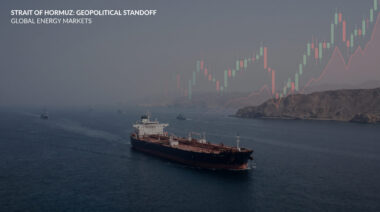
The conflict expanded further across the region, increasing concerns over global energy supplies and pushing Brent crude toward its biggest weekly gain since April. Growing fears of disruptions to Gulf oil infrastructure kept global markets on edge.
Impact on India: Higher crude prices increase India’s import bill, widen the trade deficit, place pressure on inflation, and add downside risk to the rupee.
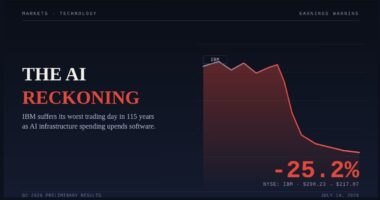
Alphabet’s delay of its Gemini 3.5 Pro AI model renewed concerns over the pace of AI infrastructure spending. Semiconductor and AI-related companies across Asia witnessed heavy selling despite maintaining strong long-term earnings expectations.
Impact on India: Indian IT companies with AI-focused projects may face delays in enterprise deployments, although the sector’s long-term outlook remains positive.
Japan’s technology-heavy market suffered one of its weakest weeks in months as semiconductor stocks led a broad market correction amid geopolitical uncertainty and concerns over AI demand.
Impact on India: While India’s market is less dependent on semiconductor stocks, global risk aversion could continue to influence foreign institutional investor flows and overall market sentiment.
The Hang Seng significantly outperformed other Asian indices as investors shifted from expensive semiconductor companies into relatively cheaper Chinese technology and internet platform businesses.
Impact on India: Stronger performance in Hong Kong may divert part of Asia-focused foreign investment away from India in the short term, although both markets continue to attract long-term institutional interest.
The Reserve Bank of India continued to intervene in the foreign exchange market as the rupee remained under pressure from higher oil prices and global risk aversion.
Impact on India: Persistent crude oil strength could keep pressure on the rupee, inflation, and monetary policy, making currency stability an important factor ahead of upcoming RBI policy decisions.
Related Tags


 IIFL Customer Care Number
(Gold/NCD/NBFC/Insurance/NPS)
1860-267-3000 / 7039-050-000
 IIFL Capital Services Support WhatsApp Number
+91 9892691696
Download The App Now


Follow us on


2026, IIFL Capital Services Ltd. All Rights Reserved

IIFL Capital Services Limited - Stock Broker SEBI Regn. No: INZ000164132 (Member ID - NSE: 10975 BSE: 179 MCX: 55995 NCDEX: 01249), DP SEBI Reg. No. IN-DP-185-2016, IA SEBI Regn. No: INA000000623, Merchant Banker SEBI Regn. No. INM000010940, RA SEBI Regn. No: INH000000248, BSE Enlistment Number (RA): 5016, AMFI-Registered Mutual Fund Distributor & SIF Distributor
ARN NO : 47791 (Date of initial registration – 17/02/2007; Current validity of ARN – 08/02/2027), PFRDA Reg. No. PoP 20092018, IRDAI Corporate Agent (Composite) : CA1099

This Certificate Demonstrates That IIFL As An Organization Has Defined And Put In Place Best-Practice Information Security Processes.