24 Jul 2026 , 08:09 PM
Chinese equities closed sharply lower as Wall Street’s tech-led selloff and a fresh escalation in the Gulf conflict weighed on regional sentiment. Investors reduced exposure to technology and growth-oriented names, with the broader mainland market tracking the global risk-off mood.
The Nikkei dropped over 2.5% as the combined impact of Alphabet’s AI spending shock and oil prices climbing above $100 a barrel drove a broad retreat from risk assets across the region. The session was further complicated by fresh currency pressures, with the US Treasury pressing the Bank of Japan to continue raising interest rates as the yen hit a 40-year low against the dollar. Japan’s June CPI data came in line with forecasts, leaving the currency market largely unchanged with USD/JPY trading around 163.80.
The Hang Seng declined modestly relative to its regional peers, with technology stocks dragging the index lower. Sentiment was further dampened by Iran’s outright rejection of a ceasefire proposal, which pushed oil prices higher and reinforced the risk-off posture across Asian markets.
South Korea’s KOSPI fell over 5%, prompting the Korea Exchange to trigger sidecar curbs on both the KOSPI and KOSDAQ — a mechanism activated when rapid price movements threaten market stability. The index, which had been trading near all-time highs following Samsung’s $1 trillion milestone, gave back a significant portion of its recent gains in a single session. SK Hynix dropped more than 10% and Samsung fell sharply, as the Alphabet-driven AI spending anxiety raised fresh questions about near-term semiconductor demand visibility.
The Nifty retreated, tracking the broader regional selloff, with oil above $100 and deteriorating global risk sentiment weighing on investor confidence. The index remains in a vulnerable zone as both the macro and geopolitical backdrop have shifted against India’s key pressure points — crude prices and IT sector earnings momentum.
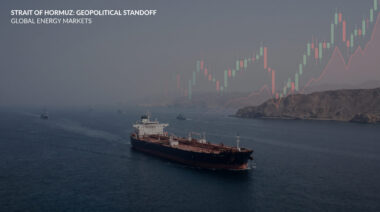
Iran formally rejected a ceasefire proposal delivered by Iraq’s prime minister on behalf of President Trump, with Tehran warning it would strike Tel Aviv and direct its Houthi allies to shut down the Bab al-Mandeb strait if the US targeted Iranian territory directly.
This is the starkest deterioration in the Gulf situation in weeks, and its consequences for India are immediate. Brent rising above $100 per barrel directly raises India’s oil import costs, widens the current account deficit, weakens the Rupee, and puts upward pressure on domestic inflation. The RBI’s ability to maintain an accommodative stance becomes increasingly constrained the longer oil stays elevated.
The Trump administration announced plans to impose new tariffs in the range of 10% to 12.5% on 60 trading partners from Friday, structured on more legally durable grounds than the levies previously struck down by the Supreme Court. This comes as the temporary tariff arrangement between India and the US expired on July 24 — with negotiations still in their final stage but no agreement formally signed.
For India, the timing is painful. If India is included in the new tariff wave, export-linked sectors including pharmaceuticals, textiles, and engineering goods face an immediate cost disadvantage in the US market — their most important export destination. Resolution of the trade deal remains the single most important structural positive that markets are waiting on.
The US Treasury formally pressed the Bank of Japan to accelerate its rate hiking cycle as the yen weakened to its lowest level against the dollar in four decades, with Japan’s finance minister confirming that Tokyo and Washington are in close contact and that Japan is prepared to act decisively on the currency.
A faster-than-expected BOJ tightening cycle carries meaningful implications for global capital flows. Higher Japanese yields tend to attract capital back into yen-denominated assets, which typically reduces the pool of risk capital flowing into emerging markets — including India. FII positioning in Indian equities could come under pressure if the BOJ signals a more aggressive rate path at its upcoming meeting.
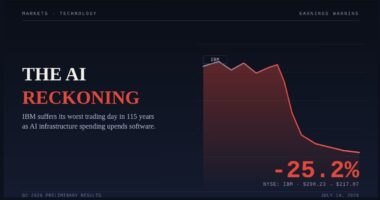
The selloff was described as the worst technology session since April 2025, with investors reducing exposure to AI-linked and semiconductor names across the region following Alphabet’s disclosure of negative free cash flow and a sharp upward revision to its capital expenditure outlook.
For India, the AI capex anxiety feeding through to global technology valuations continues to weigh on the Indian IT sector’s re-rating prospects. The Nifty IT index has declined approximately 20% in 2026, and the latest round of global tech earnings is unlikely to provide the catalyst for a near-term recovery.
Related Tags


 IIFL Customer Care Number
(Gold/NCD/NBFC/Insurance/NPS)
1860-267-3000 / 7039-050-000
 IIFL Capital Services Support WhatsApp Number
+91 9892691696
Download The App Now


Follow us on


2026, IIFL Capital Services Ltd. All Rights Reserved

IIFL Capital Services Limited - Stock Broker SEBI Regn. No: INZ000164132 (Member ID - NSE: 10975 BSE: 179 MCX: 55995 NCDEX: 01249), DP SEBI Reg. No. IN-DP-185-2016, IA SEBI Regn. No: INA000000623, Merchant Banker SEBI Regn. No. INM000010940, RA SEBI Regn. No: INH000000248, BSE Enlistment Number (RA): 5016, AMFI-Registered Mutual Fund Distributor & SIF Distributor
ARN NO : 47791 (Date of initial registration – 17/02/2007; Current validity of ARN – 08/02/2027), PFRDA Reg. No. PoP 20092018, IRDAI Corporate Agent (Composite) : CA1099

This Certificate Demonstrates That IIFL As An Organization Has Defined And Put In Place Best-Practice Information Security Processes.