24 Jul 2026 , 09:06 AM
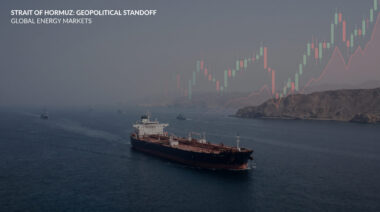
Global financial markets came under pressure as escalating tensions in the Middle East triggered a sharp rise in crude oil prices, pushed US bond yields higher, and increased concerns about inflation. For Indian investors, the developments are particularly important as India is one of the world’s largest crude oil importers, making energy prices a key factor influencing inflation, the rupee, corporate earnings, and equity market sentiment.
US markets declined more than 2% as investors reacted to the worsening geopolitical situation, with Brent crude oil rising above $100 per barrel for the first time in two months. Higher oil prices revived concerns that inflation could remain elevated and central banks may delay interest rate cuts.
US equities witnessed heavy selling as investors moved towards safer assets amid rising geopolitical uncertainty.
The decline was driven by multiple factors:
Early earnings commentary from technology giants, including Alphabet and Tesla, highlighted significant AI-related capital expenditure, which added to investor caution.
Crude oil prices became the biggest market trigger as Brent crude surged more than 7%, crossing the $100 per barrel mark.
Brent crude touched a high of around $102 per barrel, driven by fears of supply disruptions after Iran-backed Houthi militants reportedly attacked two Saudi Arabian tankers in the Red Sea.
For India, rising crude prices remain a major concern because higher oil imports can:
A sustained rise in crude prices could also influence the Reserve Bank of India’s monetary policy decisions.
Geopolitical tensions intensified after reports of retaliatory missile and drone attacks from Iran on Jordan, Bahrain, and Kuwait.
The developments followed the 12th consecutive day of US strikes on Iran, increasing concerns about a broader regional conflict.
US President Donald Trump said he was considering a “massive attack” on Iran, adding further uncertainty to global markets. Although he indicated that no final decision had been made, investors remained cautious about the possibility of further escalation.
The United Nations raised concerns over the worsening situation in the Middle East.
UN Secretary-General Antonio Guterres warned that conflicts in the region were increasing in scale and complexity, highlighting growing risks from geopolitical instability.
The comments added to investor concerns that prolonged tensions could affect global energy supplies and economic growth.
The sharp rise in crude oil prices pushed bond yields higher as investors worried about renewed inflation pressures.
Key movements in the US bond market:
Higher yields are negative for equities because they increase borrowing costs and reduce the attractiveness of risk assets.
For Indian markets, a rise in US yields can also impact:
Despite rising geopolitical risks, gold prices declined nearly 2% to around $4,080 per ounce.
The fall came as investors focused more on rising bond yields and expectations that central banks may maintain tighter monetary policies to control inflation.
Higher yields generally reduce demand for non-interest-bearing assets like gold.
European markets also ended lower as investors reacted to:
The European Central Bank (ECB) kept interest rates unchanged as policymakers continued to monitor inflation risks arising from higher energy prices.
The ECB is assessing whether the oil price shock caused by geopolitical tensions could create fresh inflationary pressure.
Foreign investors remained cautious amid global uncertainty.
Institutional flows:
The selling pressure from foreign investors reflected concerns over geopolitical risks, higher global yields, and uncertainty around crude oil prices.
For Indian investors, the key factors to watch are:
India’s dependence on imported crude makes oil prices one of the biggest drivers of inflation and market sentiment.
Higher US yields and geopolitical uncertainty can encourage foreign investors to reduce exposure to emerging markets, including India.
A sustained increase in crude prices could complicate India’s inflation outlook and influence future interest-rate decisions.
Higher input costs may affect margins across sectors such as manufacturing, aviation, chemicals, and consumer goods.
The global market environment remains highly sensitive to developments in the Middle East. For Indian investors, the immediate focus will remain on crude oil trends, foreign fund flows, inflation expectations, and the impact of global volatility on domestic equities.
Disclaimer – The stock/s and indices mentioned in this article is discussed solely for informational and educational purposes. It should not be construed as investment advice or a recommendation to buy or sell any securities. Investors should conduct their own research or consult a financial advisor before making any investment decisions. Investments in securities market are subject to market risks. Read all the related documents carefully before investing.
Related Tags


 IIFL Customer Care Number
(Gold/NCD/NBFC/Insurance/NPS)
1860-267-3000 / 7039-050-000
 IIFL Capital Services Support WhatsApp Number
+91 9892691696
Download The App Now


Follow us on


2026, IIFL Capital Services Ltd. All Rights Reserved

IIFL Capital Services Limited - Stock Broker SEBI Regn. No: INZ000164132 (Member ID - NSE: 10975 BSE: 179 MCX: 55995 NCDEX: 01249), DP SEBI Reg. No. IN-DP-185-2016, IA SEBI Regn. No: INA000000623, Merchant Banker SEBI Regn. No. INM000010940, RA SEBI Regn. No: INH000000248, BSE Enlistment Number (RA): 5016, AMFI-Registered Mutual Fund Distributor & SIF Distributor
ARN NO : 47791 (Date of initial registration – 17/02/2007; Current validity of ARN – 08/02/2027), PFRDA Reg. No. PoP 20092018, IRDAI Corporate Agent (Composite) : CA1099

This Certificate Demonstrates That IIFL As An Organization Has Defined And Put In Place Best-Practice Information Security Processes.