8 Jun 2026 , 07:08 PM
China | Shanghai Composite | 3,959.37 | -1.70%
Hong Kong | Hang Seng Index | 24,657.07 | -1.22%
Japan | Nikkei 225 | 64,024.60 | -3.85%
South Korea | KOSPI | 7,484.41 | -8.29%
India | Nifty 50 | 23,123.00 | -1.04%
Asia’s major stock markets dropped sharply on Monday as the resumption of conflict between Israel and Iran combined with growing expectations of US interest rate hikes to trigger a broad regional sell-off. South Korea bore the most severe damage, with the KOSPI triggering a circuit breaker for the second time this year. No major Asian index escaped the session unscathed, with India suffering its steepest single-day loss in several weeks.
Mainland China dropped 1.70%, breaking below the 4,000 level as global risk aversion overwhelmed domestic policy support expectations. The decline was sharper than recent sessions, reflecting the severity of Monday’s dual shock from geopolitics and tech.
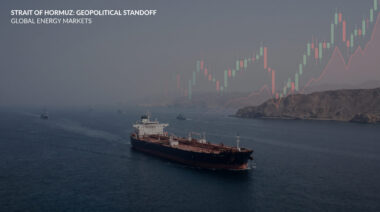
Hong Kong retreated as technology counters tracked the global chip sell-off lower and fresh Iran-Israel escalation revived energy supply fears. The index held up better than its Northeast Asian peers given its lower direct semiconductor exposure.
Japan’s Nikkei 225 dropped 3.85% to 64,024.60, its steepest single-session fall since the early days of the Iran conflict, as semiconductor names led losses and the yen strengthened on safe-haven demand, squeezing export-sector earnings expectations.
The KOSPI closed 8.29% lower after its circuit breaker was triggered for the second time this year, with Samsung Electronics dropping 10.2% and SK Hynix falling 7.6%. The index, which had been the best-performing major market of 2026, gave back a significant portion of its year-to-date gains in a single session.
India’s Sensex dropped 719 points and the Nifty closed at 23,123 as Iran’s attack on Israel weighed on risk sentiment. The Nifty held above the critical 23,000 support level, though technical analysts flagged that a breach below that threshold could open the door to further downside toward 22,800. Read more about Indian Markets here
Impact on India: The resumption of Iran-Israel hostilities on the 100th day of the conflict is the most serious geopolitical event for India since the ceasefire was announced in late May. The May framework had provided genuine relief — oil had pulled back toward $88-90, FII flows had improved, and the RBI had begun to signal rate cut space. A return to active military exchanges between Iran and Israel threatens to reverse all of that progress. For India, the immediate risk is crude — even a partial Brent spike toward $100 meaningfully widens the current account deficit and pressures the rupee. The RBI will be watching the oil price trajectory extremely carefully over the coming days before any further rate cut communication.
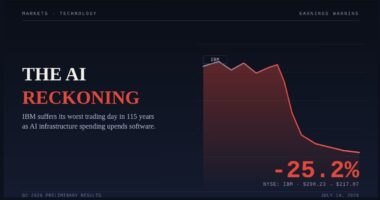
Impact on India: The KOSPI’s 8.29% collapse is a stark reminder of the concentration risks embedded in semiconductor-heavy markets — a lesson directly relevant to Indian policymakers building the India Semiconductor Mission. More immediately, circuit breaker events in major Asian markets historically trigger broader emerging market risk aversion, as foreign institutional investors rebalance exposure across the region. India saw FPIs sell ₹31,000 crore of equities in the prior week, and Monday’s events are likely to extend that selling pressure in the near term. The Nvidia-SK Hynix partnership announcement during the session is worth noting for Indian tech firms — it confirms the AI hardware cycle’s structural demand is intact even as prices correct.
Impact on India: A US Federal Reserve rate hike scenario — now more live following the strong jobs data — is one of the most consequential macro risks for India. Higher US rates strengthen the dollar, pressure the rupee, widen India’s import bill further, and typically trigger FII outflows from Indian equities and bonds. India’s RBI, which had been building a credible case for rate cuts on the back of falling oil and controlled inflation, now faces a harder external environment. The SpaceX IPO liquidity drain, if it materialises at the scale being discussed, could temporarily reduce the pool of global capital available for emerging market allocation — including India.
Impact on India: Every dollar increase in Brent crude adds meaningfully to India’s annual crude import bill, which already runs at approximately $140-150 billion at current price levels. A sustained return toward $95-100 Brent would push India’s current account deficit back toward concerning levels, remove the RBI’s rate-cut headroom, and weaken the rupee — a chain reaction that affects everything from fuel prices to household inflation to the cost of corporate borrowing. The government will be monitoring the diplomatic situation closely, as India’s energy security is directly tied to whether the Iran-Israel exchange remains contained or escalates further.
Related Tags


 IIFL Customer Care Number
(Gold/NCD/NBFC/Insurance/NPS)
1860-267-3000 / 7039-050-000
 IIFL Capital Services Support WhatsApp Number
+91 9892691696
Download The App Now


Follow us on


2026, IIFL Capital Services Ltd. All Rights Reserved

IIFL Capital Services Limited - Stock Broker SEBI Regn. No: INZ000164132 (Member ID - NSE: 10975 BSE: 179 MCX: 55995 NCDEX: 01249), DP SEBI Reg. No. IN-DP-185-2016, IA SEBI Regn. No: INA000000623, Merchant Banker SEBI Regn. No. INM000010940, RA SEBI Regn. No: INH000000248, BSE Enlistment Number (RA): 5016, AMFI-Registered Mutual Fund Distributor & SIF Distributor
ARN NO : 47791 (Date of initial registration – 17/02/2007; Current validity of ARN – 08/02/2027), PFRDA Reg. No. PoP 20092018, IRDAI Corporate Agent (Composite) : CA1099

This Certificate Demonstrates That IIFL As An Organization Has Defined And Put In Place Best-Practice Information Security Processes.